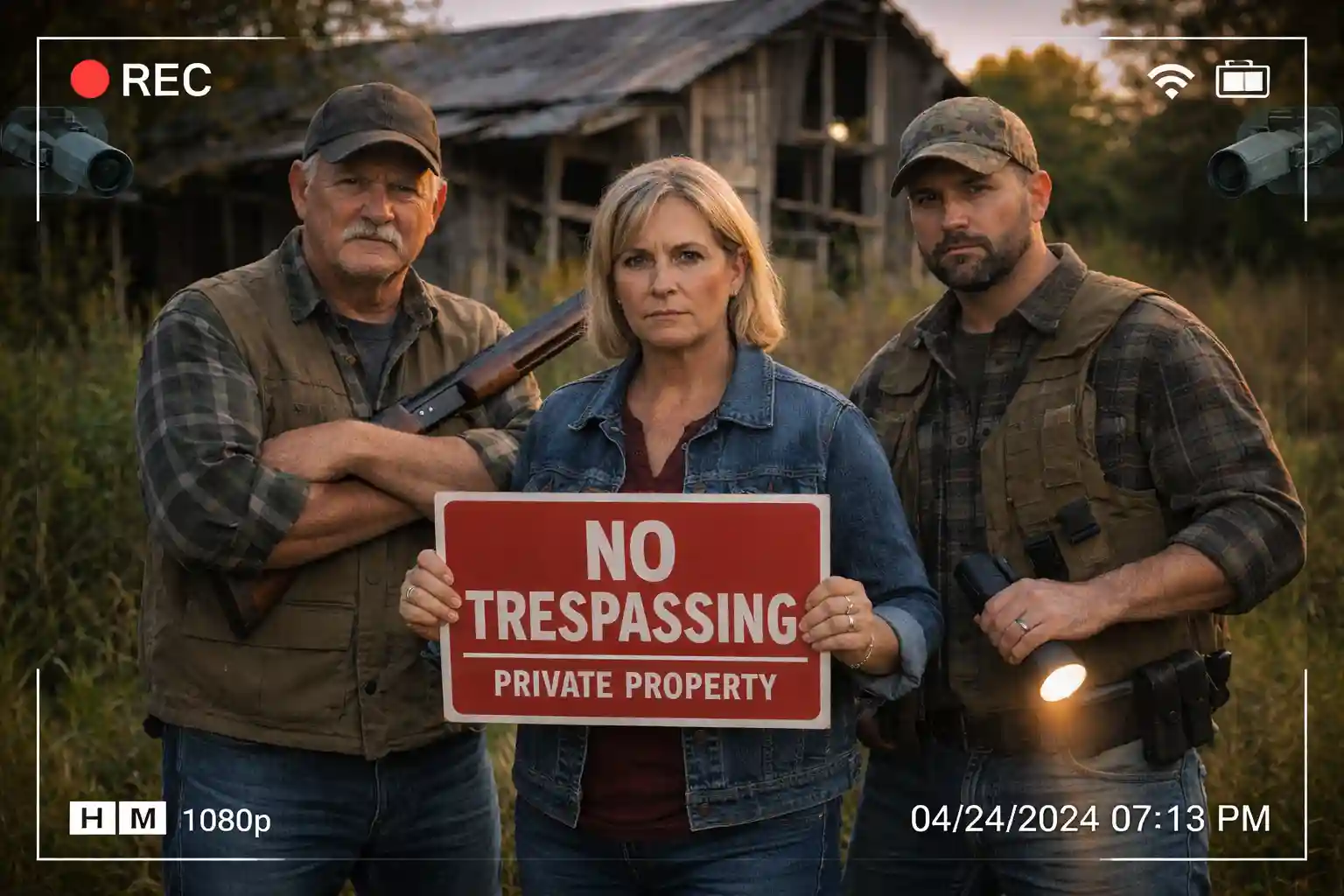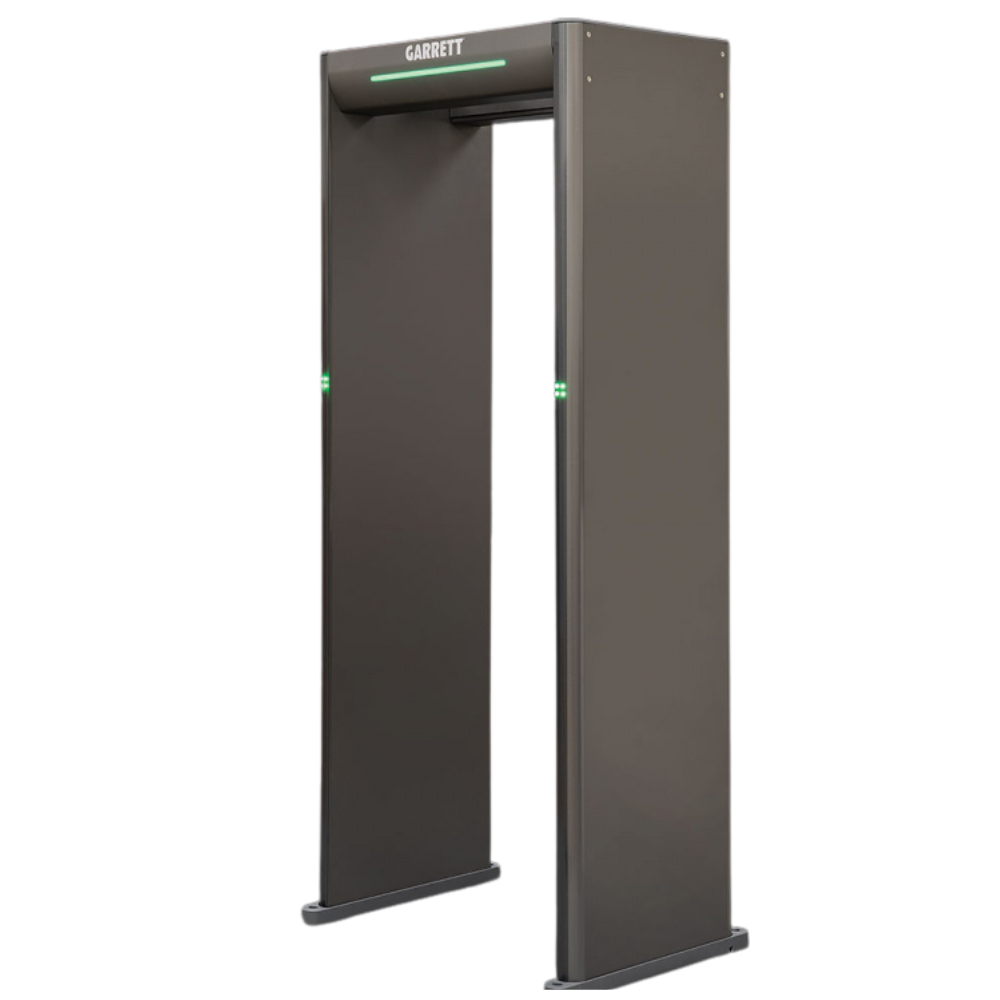
Many property owners in Pitt County assume trespassing happens only when land is clearly neglected or intentionally targeted. In reality, most trespassers don’t need permission — they just need opportunity. An unlocked gate, poor lighting, predictable routines, or lack of monitoring can turn any residential, commercial, or rural property into an easy target.
Understanding how and why trespassing occurs is the first step toward protecting your property, assets, and liability exposure.
Why Trespassing Is a Growing Concern in Pitt County
Pitt County includes a mix of residential neighborhoods, farmland, vacant lots, construction sites, and commercial properties. This variety creates opportunities for:
- Curious intruders
- Opportunistic thieves
- Squatters
- Vandals
- Individuals seeking shortcuts or concealment
Trespassing often escalates into property damage, theft, safety risks, and legal complications, especially when incidents go unnoticed or unreported.
Trespassers Look for Weakness — Not Ownership
Most trespassers are not checking property records or asking permission. They are scanning for vulnerabilities such as:
- Poor or no perimeter fencing
- Broken or unsecured gates
- Overgrown access points
- Dark areas without lighting
- No visible surveillance or patrol presence
When a property appears unmonitored, it sends a silent signal: low risk, high opportunity.
Common Trespassing Scenarios in Pitt County
Vacant & Rental Properties
Unoccupied homes and rental units between tenants are prime targets for trespassers, vandals, and squatters.
Agricultural & Rural Land
Open fields, barns, and equipment yards are frequently accessed without permission, often resulting in damaged fencing, stolen tools, or livestock risk.
Construction Sites
Unsecured sites attract theft, vandalism, and injury risks — creating serious liability for property owners.
Commercial & Industrial Properties
After-hours trespassing can lead to theft, data exposure, or damage to infrastructure.
The Hidden Cost of Trespassing
Trespassing isn’t just an inconvenience — it can be expensive.
Property damage and repairs
- Stolen equipment or materials
- Increased insurance premiums
- Legal liability if someone is injured
- Loss of tenant or customer confidence
In some cases, repeated trespassing can even complicate future enforcement if boundaries and security measures are not clearly established.
Opportunity Is Created by Inaction
Trespassers rely on patterns. When properties lack routine monitoring or visible deterrents, they become repeat targets.
Common mistakes include:
- Assuming “no one would come here”
- Relying only on signage without enforcement
- Delaying security until after an incident occurs
- Not documenting previous trespass activity
Once opportunity exists, trespassing often becomes habitual.
How Pitt County Property Owners Can Reduce Risk
While no solution is one-size-fits-all, effective deterrence usually combines visibility, documentation, and consistency.
Practical deterrents include:
- Clearly marked boundaries and signage
- Secure fencing and locked access points
- Adequate lighting in vulnerable areas
- Surveillance or monitoring solutions
- Professional patrols or investigative assessments
The goal is simple: remove opportunity before it’s exploited.
When Trespassing Becomes a Pattern
Repeated trespass incidents may indicate more than curiosity. Patterns can signal:
- Targeted theft
- Surveillance of your property
- Squatting attempts
- Escalating criminal activity
At this stage, professional assessment and documentation can help property owners understand what’s happening — and take informed next steps.
How Threat Detection & Safety Services -TDSS Can Help?
The Threat Detection & Safety Services helps Pitt County property owners reduce trespassing by removing the opportunity intruders look for. Through visible surveillance systems, proactive monitoring, and tailored security assessments, they identify weak points before they’re exploited. Their solutions create clear deterrence, support incident documentation, and help property owners protect assets, reduce liability, and maintain control over residential, commercial, and rural properties.
Final Thought: Opportunity Is the Real Invitation
Trespassers don’t wait for permission. They wait for gaps — physical, visual, and procedural. Whether you own residential property, farmland, or commercial space in Pitt County, proactive protection is always more effective than reactive cleanup.
Reducing opportunity today can prevent far greater losses tomorrow.